
Introduction
Online advertising has never offered more options. Search ads, social media campaigns, display networks, newsletter sponsorships, native content placements, the list keeps growing. For a business owner or marketer trying to decide where to put their budget, the volume of choices creates its own problem.
Every platform promises reach, engagement, and results. Figuring out which ones actually deliver for your specific audience and goals requires research, testing, and honest evaluation before you commit real money.
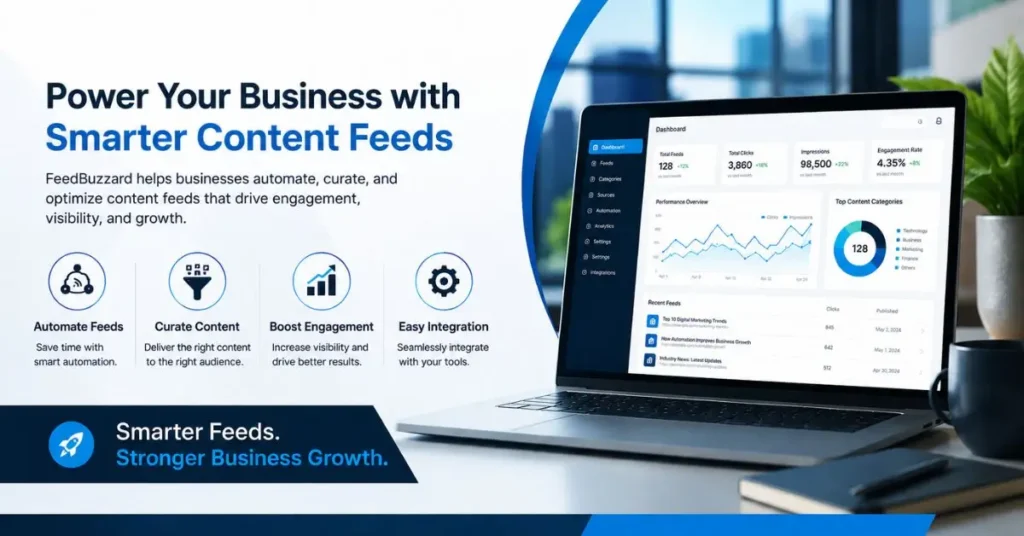
FeedBuzzard is one platform that has attracted attention from businesses looking for content-driven advertising opportunities. If you have heard about it and want to understand what advertising on FeedBuzzard actually involves, who it works for, and whether it fits your marketing goals, this guide gives you a clear and honest answer.
To advertise FeedBuzzard means placing promotional content, sponsored posts, or display advertising on a content aggregation and distribution platform that reaches audiences through curated news feeds and content discovery. The platform connects advertisers with readers who are actively consuming content, making it a native-style advertising environment suited to brands that want engagement alongside visibility.
Quick Summary
FeedBuzzard is a content-driven advertising platform where businesses can reach engaged audiences through sponsored content and display placements. It suits brands focused on content marketing, awareness, and audience engagement rather than pure direct response. This guide covers how the platform works, who benefits most, what to expect on cost, and how to approach your first campaign.
What Is FeedBuzzard and Why Advertisers Use It
Before deciding whether to advertise on any platform, understanding what that platform actually is and how its audience uses it is essential. Advertising in the wrong environment wastes budget regardless of how well the campaign itself is built.
FeedBuzzard is a content aggregation and distribution platform. It pulls together content from across the web and surfaces it to users through curated feeds based on their interests and browsing behavior. Users come to the platform to discover articles, news, and content relevant to what they care about.
That content-discovery context is important for advertisers. The audience on a platform like this is in an active reading and discovery mindset. They are not just scrolling social media passively. They are looking for content to engage with, which creates a meaningful opportunity for brands that can offer genuinely interesting or useful sponsored content.
This is why content marketers, publishers, and brands with strong editorial content tend to do better on platforms like this than brands relying purely on product-focused promotional messaging.
How Advertising on FeedBuzzard Works
The advertising system on FeedBuzzard operates around a few core formats and a targeting system that connects your content to relevant audience segments. Here is how it works in practice.
Sponsored Content Placements
The primary advertising format is sponsored content, articles, posts, or pieces of branded content that appear within the platform’s feed alongside organic editorial content. These placements are labeled as sponsored but designed to fit the look and feel of the surrounding content rather than standing out as obvious ads.
This native approach works well for advertisers because it reaches audiences when they are already in a reading mindset. A sponsored article about home improvement tips placed in a feed filled with similar content reaches someone already interested in that topic, making the placement genuinely relevant rather than interruptive.
Display Advertising
Standard display placements, including banner ads and sidebar units, are also available on the platform. These work alongside sponsored content for brands that want both awareness and direct click-through opportunities within the same campaign.
Audience Targeting
The platform uses interest-based and behavioral targeting to match your ads with the most relevant audience segments. Advertisers can typically target by topic interest, geographic location, device type, and sometimes demographic characteristics depending on the available data and campaign options.
Campaign Setup and Management
Campaigns are set up through the platform’s advertising interface. Advertisers define their budget, choose their placement types, set targeting parameters, and upload their creative content. The platform then distributes the campaign according to those settings and provides performance reporting.
Who Should Advertise on FeedBuzzard
Not every advertising platform is the right fit for every business. Being honest about this saves budget and frustration.
Content Marketers and Publishers
Businesses that produce regular editorial content, blog posts, articles, guides, and thought leadership pieces have the most natural fit with a content discovery platform. Their sponsored content blends into the feed environment and provides genuine value to readers, which drives better engagement than purely promotional messaging.
Brand Awareness Campaigns
If your goal is to get your brand in front of a new audience and build recognition rather than drive immediate sales, a content feed environment is a strong choice. Readers who encounter your brand through genuinely useful sponsored content remember it differently than they remember a pop-up or a banner ad.
Niche and Interest-Based Brands
Brands serving specific interest communities, whether that is personal finance, fitness, home improvement, travel, or technology, can use interest-based targeting on the platform to reach audiences already organized around relevant topics.
Small and Mid-Size Businesses
Larger ad networks often have high minimum spend requirements that make them inaccessible to smaller businesses. Content-focused platforms sometimes offer more flexible entry points, though you should verify current minimums directly with the platform before planning your budget.
Who It May Not Suit
Businesses focused entirely on direct response, where the goal is an immediate purchase or sign-up conversion from every ad click, may find content feed advertising less efficient than search advertising or retargeting campaigns. Content discovery audiences are generally earlier in the buying process and less likely to convert immediately.
Setting Up Your First Campaign
Here is a practical overview of what the process looks like when you decide to move forward with advertising on the platform.
Step 1: Define your campaign goal
Be specific before you touch the platform. Are you driving traffic to a piece of content? Building email subscribers? Increasing brand awareness in a specific market? Your goal shapes every decision that follows, from creative format to targeting to how you measure success.
Step 2: Prepare your creative content
For sponsored content placements, your article or post needs to be genuinely useful or interesting to the audience you are targeting. Thinly veiled product promotions perform poorly in content environments. Think about what your audience wants to read and lead with that, with your brand message woven in naturally rather than leading with it.
Step 3: Set up your account and campaign
Create an advertiser account on the platform, enter your payment details, and work through the campaign setup interface. Define your budget, set your targeting, choose your placement types, and upload your creative.
Step 4: Start with a test budget
For any new advertising platform, starting with a smaller test budget before committing significant spend is the right approach. Allocate enough to generate meaningful data, typically at least two to three weeks of running at a modest daily rate, then evaluate performance before scaling.
Step 5: Monitor and optimize
Check your campaign performance regularly, not just at the end. Look at click-through rate, engagement time on your content, and conversion events if you have tracking set up. Underperforming placements or targeting segments can be adjusted without restarting the whole campaign.
What to Expect on Cost
Advertising costs on content platforms vary based on competition for audience segments, campaign format, and geographic targeting. Here is a general framework for thinking about cost.
| Cost Factor | What Affects It | General Range |
|---|---|---|
| Cost per click (CPC) | Competition, niche, targeting | Varies by platform and sector |
| Cost per thousand impressions (CPM) | Audience size, targeting precision | Varies by campaign type |
| Minimum campaign budget | Platform policy | Check directly with the platform. |
| Sponsored content creation | Length, quality, production | $200 to $2,000+ depending on source |
For a small business in Denver, Colorado running a home services brand, a test campaign on a content discovery platform targeting homeowners in their region might start at a few hundred dollars for a two-week run. That is enough to generate initial data on click-through rate and audience engagement before deciding whether to scale.
Always check the platform’s current pricing directly. Rates and minimums change, and any figures published in third-party guides can become outdated quickly.
Getting the Most From Your Investment
A few habits separate campaigns that perform well from those that waste budget.
Lead with value, not promotion
In a content feed environment, the most successful sponsored content genuinely helps or informs the reader. A financial services brand that publishes a useful guide on managing debt reaches its audience more effectively than one that leads with product features. The value builds trust, and trust drives action.
Match content to audience interest
Use the platform’s interest targeting intentionally. Your content should feel like it belongs in the feed your audience is reading. Mismatched content, even if technically well-written, underperforms because it interrupts rather than enhances the reader’s experience.
Track beyond the click
A click to your content is the start of the journey, not the end. Make sure you have tracking in place to understand what happens after someone arrives on your site. Do they read the full article? Do they visit other pages? Do they sign up or purchase? This data tells you whether your campaign is working at a deeper level.
Test creative variations
Run two or three headline variations for your sponsored content to see which generates better engagement. Small differences in how a headline is written can produce significant differences in click-through rate. Test, measure, and keep what works.
Honest Assessment: Strengths and Limitations
Strengths
The platform suits content-first advertising well. Audiences in a reading mindset are more receptive to sponsored content than audiences being interrupted mid-scroll on social media. Interest-based targeting helps match content to relevant readers, improving engagement quality. It can be a cost-effective awareness channel compared to larger networks.
Limitations
Direct response performance may be lower than search or retargeting campaigns’. Brand recognition outside of content niches may be limited compared to major platforms. Results depend heavily on content quality; campaigns with weak or overly promotional content perform poorly regardless of targeting. Minimum budgets and current pricing need to be confirmed directly as they change.
Conclusion
Advertise FeedBuzzard makes the most sense for brands that invest in content and want to reach audiences in a genuine discovery context. It is not the right choice for every business or every campaign goal, but for the right advertiser with the right content strategy, it offers a meaningful alternative to the crowded and expensive major advertising networks.
Start with clear goals, invest in quality content, test before scaling, and track what happens beyond the initial click. That approach works on any content advertising platform and gives you the data you need to make confident decisions about where your budget belongs.
If you found this useful, explore our related guides on how to build a content marketing strategy for your business and the best online advertising platforms for small businesses. Both give you the broader context you need to make smart advertising decisions.
Frequently Asked Questions
What is FeedBuzzard, and how does advertising work on it?
FeedBuzzard is a content aggregation platform that distributes articles through interest-based feeds. Advertisers place sponsored content or display ads within those feeds, reaching audiences actively consuming relevant content.
Who should consider advertising on FeedBuzzard?
Brands with strong content, awareness-focused campaigns, and interest-based audiences. Niches like personal finance, home improvement, health, and lifestyle tend to perform especially well on content discovery platforms.
How much does it cost?
Costs vary by targeting, placement, and niche competition. Start with a modest test budget for two to three weeks before scaling. Check the platform directly for current minimums and pricing details.
What type of content works best?
Helpful, informative content outperforms purely promotional messaging. Articles, guides, and listicles that provide real value while naturally including your brand message generate stronger engagement and better click-through rates.
Can small businesses advertise effectively?
Yes, if content quality is strong and targeting is focused. Start with a small test campaign, review the data, and scale only what is working before committing a larger budget.
How do I measure campaign success?
Track click-through rate, time spent on page, and conversion events like sign-ups or purchases. Strong performance across all three metrics signals a campaign worth scaling up.